
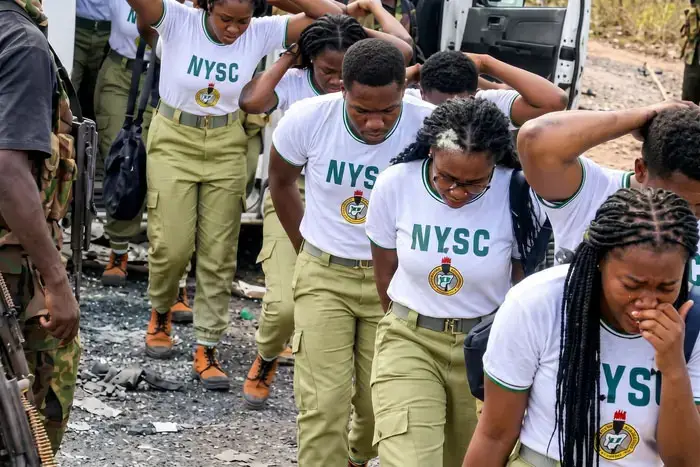
It’s been a recurring scenario that never changes: a dramatic abduction, an agonizing week of silence, and then, the inevitable headline of a “successful rescue” triggering national euphoria.
The news on 7th October 2026 of the release of 20 prospective NYSC corps members in Imo State followed this exact pattern. While families weep with relief and state cameras roll to capture the joyous reunions, a glaring, dangerous question is routinely swept under the rug: Where are the kidnappers, and why does no one ever see them in a courtroom?
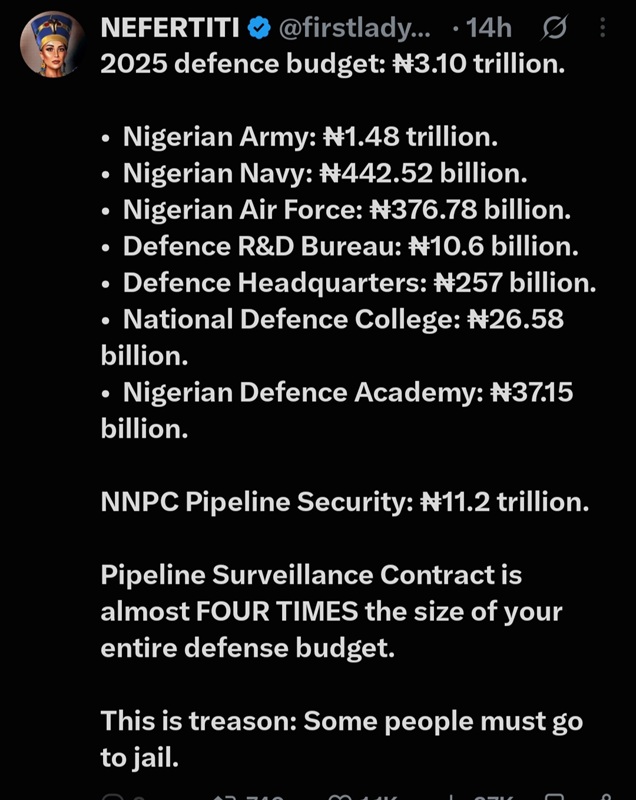
This continuous cycle is creating a highly functional, informal sector industry where human beings are the primary commodity. Nigeria’s kidnapping crisis has graduated from scattered banditry into a corporate machine. It operates with predictable economic cycles: abduct, negotiate, collect, and release. The “successful rescue” narratives pushed by security agencies act as a convenient PR shield, masking a transactional reality. In almost every major case, including the recent NYSC incident, the perpetrators simply slip back into the forests, fully funded and entirely unprosecuted, ready to plot the next raid.

The driving force powering this booming shadow economy is absolute secrecy. While Nigeria legally criminalises paying of ransoms, the rule is a farce. The identity of the individuals, corporate entities, or state actors quietly wiring or dropping off millions in cash remains tightly shrouded. This enforced anonymity protects prominent middlemen, shields state complicity, and prevents the financial intelligence tracking that could in fact break the trade.
By treating the release of hostages as the final victory rather than the first step of a criminal investigation, Nigeria is underwriting its own terror.
As long as ransoms flow in the dark and kidnappers face zero risk of prosecution, the country isn’t solving a security crisis—it is stabilizing a marketplace.