
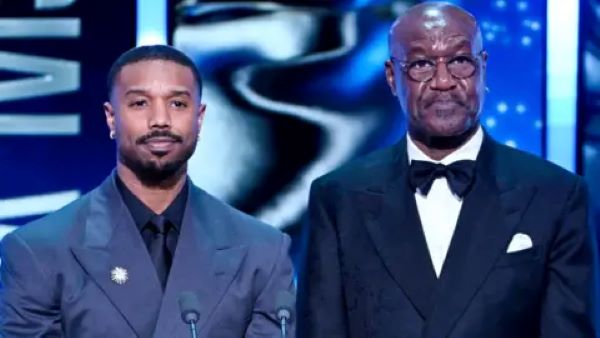
Last Sunday’s BAFTA Award show should have been about triumph for actors like Wunmi Mosaku, Ryan Coogler and others. Instead, it left many feeling angry, hurt and, once again, profoundly let down.
When Sinners stars Delroy Lindo and Michael B. Jordan took to the stage to present the award for special visual effects, the moment was rudely interrupted when the N-word was shouted from among the guests by Tourette Syndrome campaigner, John Davidson.
While the audience inside the Royal Festival Hall had been forewarned that Davidson might shout inappropriate language. Viewers at home were not.
Visibly stalled, the actors continued the presentation professionally.
The BBC broadcast, aired two hours after the live ceremony, did not edit out the slur but, Akinola Davies Jr’s “Free Palestine!” was edited. So too were politically charged remarks made by host Alan Cumming, fuelling allegations of double standard.
The backlash against the BBC and the BAFTA organisers has been furious.
Labour MP Dawn Butler has written to the BBC’s acting director general Tim Davie demanding urgent answers.
Black British filmmaker Jonte Richardson stepped down from the BAFTA emerging talent judging panel, calling the organisation’s handling of the incident “utterly unforgivable” and stating he cannot lend his expertise to an institution that “has repeatedly failed to safeguard the dignity of its Black guests.”
Many have rightly argued that the BBC could and should have muted the slur, and that its decision to leave it in while removing references to Gaza felt not just inconsistent, but indefensible.
A night that should have symbolised how far things have come from the #BaftaSoWhite scandal of 2020, instead reminded many Black Britons how fragile that progress feels. Because this incident does not exist in isolation.
For years, Black British viewers have expressed dwindling faith in the BBC. Despite commitments to inclusion, many still feel their lives are not fully reflected on screen and that behind the camera, decision-making spaces remain stubbornly unrepresentative.
What happened on Sunday did confirm the views of average Black Brits.
There is a growing sense that diversity is sometimes performed rather than embedded. That representation can feel tokenistic. That when harm occurs, the response is defensive rather than empathetic.
Compassion is not a zero-sum game. We can have empathy for someone with Tourette’s and still acknowledge the pain experienced by those on the receiving end of a racial slur. These are not mutually exclusive truths.
But what erodes trust, yet again, is the double standard.
Edit “Free Palestine.” Leave the N-word. Offer a throwaway apology. Move on.
Incidents like this, and the tone-deaf response that followed, will do little to rebuild confidence among Black viewers who have questioned for many years whether the BBC truly understands or values them.
Sunday night should have been about Black brilliance.
Instead, it became about a familiar wound. And a familiar silence.